Classroom Stories – Interview With Teacher Lemana Terzimehić
 24.11.2021..
Dear readers, students, parents of our students, and loyal followers, through this section we would like to introduce the people who connect your children with Bosnia and Herzegovina through an important aspect, which is learning and preserving the Bosnian language.
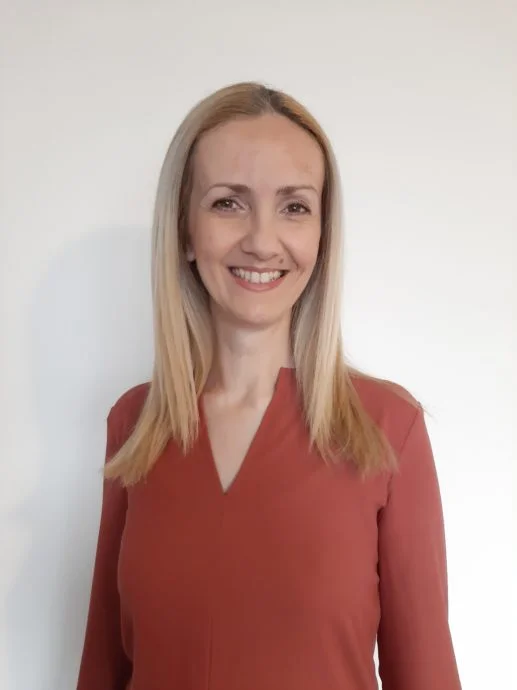
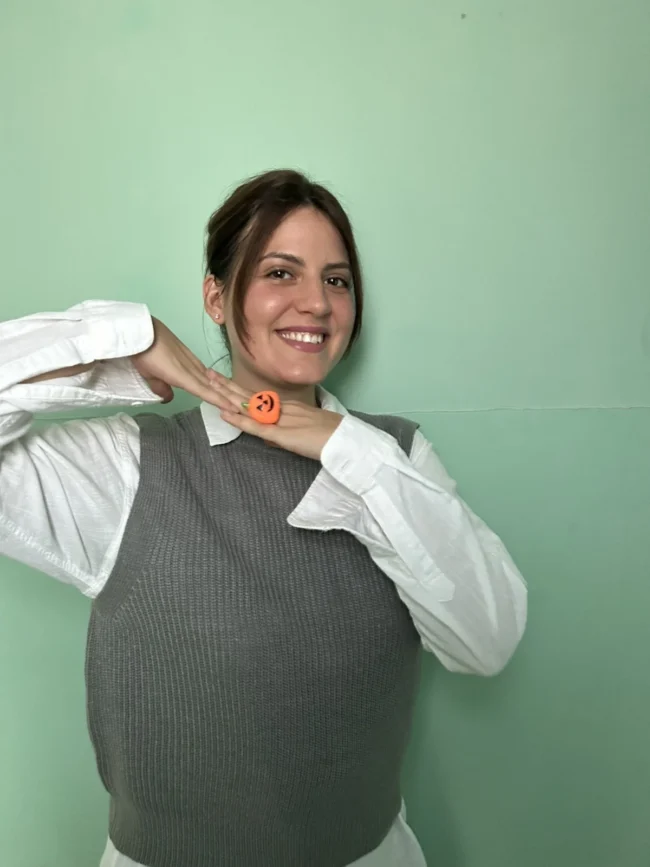
Our attentive, empathetic and patient Lemana Terzimehić is the first person we would like to introduce. Teacher Terzimehić graduated from the Faculty of Education in Sarajevo. She has been working with the youngest students, from grades I to IV, for 13 years. Three generations have grown up under her guidance, from first graders to subject-based instruction.
Learning A Language And Working With Children In Different Environments
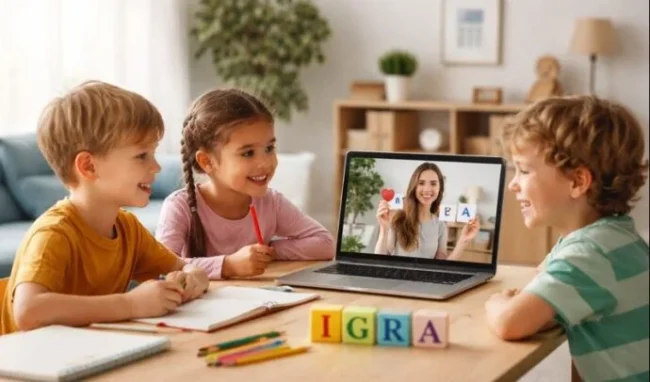
It is one thing to work in a school in Bosnia and Herzegovina where Bosnian is a child’s native language that they hear at home, on the street, in school and in extracurricular activities, and another challenge entirely to work with children who do not live here but want to learn the language of their parents and do not hear it every day.
“In working with children in our course, it is important to motivate them to use the Bosnian language as much as possible in everyday speech. To guide them to read content written in Bosnian. In this way it becomes part of their identity. It is also very important that they have the opportunity to talk with peers from all over the world and in that way enrich their knowledge,” the proud teacher explains.
Working In The Tako Lako Team Is Also A Challenge
“I like trying something new and creating something new, so this was a step forward in my professional growth and development. The participants in our course definitely require a different approach, since Bosnian is a foreign language for them. There was no fear, but the biggest challenge was adjusting my mindset not to address them as native speakers of Bosnian. I had to start from the fact that even the most basic things are unfamiliar to them, which is normal. They grow up in environments where they do not use the Bosnian language, but experience shapes you the most and teaches you how to approach and work,” says Terzimehić.
School Days From A Teacher’s Perspective
Across her classes, in three cycles, 20 students have participated. It is important to note that the groups formed in this team are not large, consisting of five to seven students. And how the teacher sees the children in her classes…
“Children enjoy our classes, and that is also a sign that as a team we are doing our best and that parents trust us. Our classes are always interesting, full of laughter and jokes, especially with younger children. Teenagers are a bit more reserved and serious, but equally dedicated and interested in work. Parents often join us briefly. We joke, sing and continue working.”
Patience Is An Essential Part Of Working With Children
“At the beginning of classes, children are quite reserved and shy. We gradually build trust and they relax. What I try to achieve is for them to use the Bosnian language without fear, no matter how many mistakes they make. We cannot learn if we do not try, make mistakes and try again.”
One cycle consists of ten lessons. It is important to have realistic expectations, both from the Tako Lako team and from the parents of children attending the courses, the teacher Lemana believes.
“It is impossible to quickly expand vocabulary and master grammar rules. What is achieved instead is motivation and freedom to use the language in everyday situations with family. Real results can be seen and measured after two to three cycles. It is an incredible feeling when you hear a child successfully using the language while also forming correct grammatical structures. But the real confirmation comes from parents, who tell us that their children now happily speak Bosnian with both close and extended family, buy ice cream independently during holidays and socialize with children from our language area and similar situations.”
The teacher, who often receives praise from both children and parents, concludes that a friendly relationship with children is very important to her. As the course progresses, children relax, and when they come to Bosnia and Herzegovina, they even want to meet their teacher. This brings her special satisfaction. At that point, she knows she has shown them that she is not only a teacher, but also a friend.
Final Thoughts
The conversation with teacher Lemana Terzimehić shows how important patience, dedication and understanding are in working with children. Her experience confirms that a teacher plays a major role not only in education but also in upbringing and motivation of children.
If you found this story interesting and it brought you closer to the way our teachers work, you might also enjoy other interviews and articles on the Tako Lako blog, where we share similar stories, experiences and inspiring conversations from the world of education and language learning.