At Tako Lako, we believe that language is not learned by rote - but through understanding, conversation, and everyday situations.
Our classes are not a traditional school setting, but a space where children actively participate, speak, and think in Bosnian.
The goal is not just for the child to know the rules, but to understand and use the language naturally and with confidence.
Behind every class is a developed curriculum that guides the child from the first words and greetings to confident, independent conversation.
Developed in collaboration with a learning designer, specifically tailored for children in the diaspora for whom Bosnian is a second language.
Each step builds on the previous one, and progress is gradual, measurable, and lasting.
Each lesson is divided into 6 phases,
each of which has its own clear purpose.
The focus is not on the quantity, but on ensuring the students understand, remember, and use what they have learned. We repeat every new word many times.
Each lesson has a theme - family, school, supermarket, at the dentist. Each lesson builds on the previous one. Children acquire grammar naturally, without the feeling that they are learning rules.
Sometimes the focus is on words and conversation, sometimes on grammar. Always gradually, always in context. The goal is not a definition - but correct and confident usage.
We adjust the pace, include every student, and track individual progress. The child is not a passive listener, but an active participant in the lesson.
For us, learning has a flow: before, during, and after the lesson.
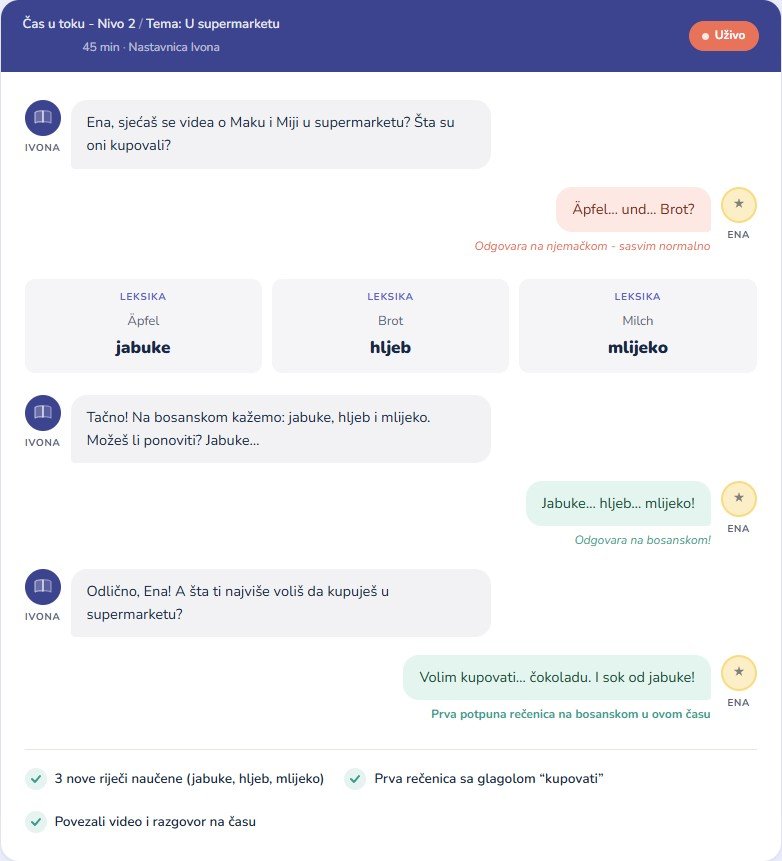
Students receive a short video “Mak and Mia go to the supermarket” on Padlet and a short quiz to check their understanding. They arrive prepared – this gives them confidence.
We read a text about the supermarket, extract new words (basket, fruit, checkout), and learn the verb to shop. We talk, play, and sing.
Homework about the supermarket topic, additional materials, and our special Workbook with all the new words and sentences.
For every lesson, we have developed our own Workbook – with explanations of the lessons, key words, a grammar section, exercises, and tips for parents. It enables learning to continue outside of the lesson.
Topic: In the supermarket. Child: Ena, 8 years old, lives in Germany. She understands Bosnian but responds in German.
Every lesson looks like this - for every child, at every level.
The program is divided into several phases, so that progress is clear and gradual. Every student starts exactly where they are.
The teacher will confirm this during the first trial lesson.
We choose teachers who understand children between two cultures and two languages.
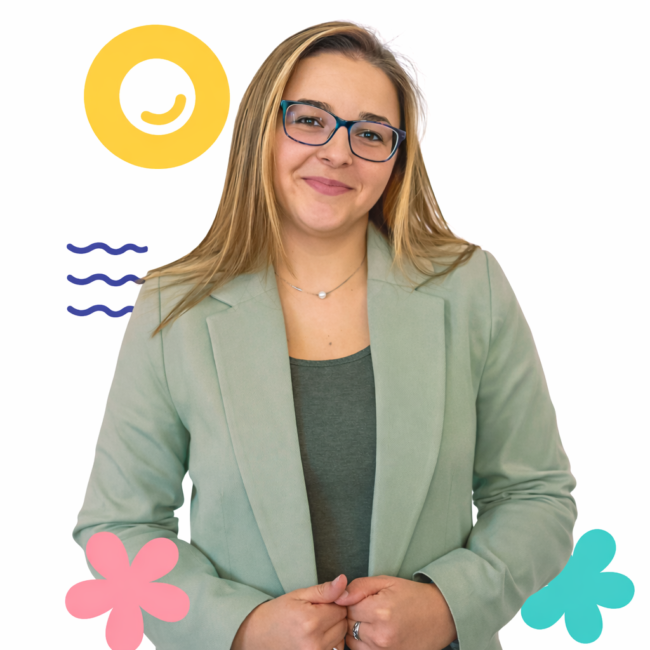
For Ivona, learning Bosnian is not just about words—it is about feeling at home, no matter where you are.
With a strong academic foundation in Bosnian language studies and a deep interest in linguistics (morphology, syntax, and semantics), Ivona brings both structure and clarity into her teaching. Over the years, she has worked with children, teenagers, and adults from diverse backgrounds, always with a clear focus: helping each student feel confident, understood, and motivated. She believes that language is best learned in a safe, engaging environment where students are encouraged to express themselves freely and without pressure.
What sets Ivona apart is her ability to turn each lesson into a personal experience. She carefully adapts her approach to every student—using games, stories, and real-life situations to make learning natural and enjoyable. Her classes are known for their warmth, creativity, and genuine connection.
The result is not just progress, but confidence and joy in using the language—something you can discover more about in her full story on our blog.
For Ilhana, learning Bosnian is never passive—it is an active, energetic experience where children grow through curiosity, interaction, and discovery.
With a degree in Bosnian/Croatian/Serbian language and literature from the Faculty of Philosophy in Zenica, Ilhana combines strong academic knowledge with practical teaching experience. She has worked with children across different age groups and understands the unique challenge of teaching Bosnian as a foreign language to children growing up abroad. Her approach goes beyond language itself—she sees teaching as a responsibility to support children’s development, confidence, and understanding of their cultural roots.
What sets Ilhana apart is her energy and engagement in every lesson. She creates dynamic, interactive sessions where children actively participate, think, and explore—often turning challenges into motivating moments. Her ability to balance high expectations with encouragement helps students stay focused while enjoying the process.
The result is not only visible progress, but genuine involvement and motivation to learn—something you can explore further in her full story on our blog.
For Samira, learning Bosnian begins with joy—because children learn best when they feel seen, understood, and free to be themselves.
With a background in primary education and hands-on experience teaching in a Sarajevo elementary school, Samira brings both structure and warmth into her lessons. She has worked with young learners across different environments, including online classrooms, and understands how to keep children engaged, focused, and motivated. Her approach is rooted in the belief that early connection to the mother tongue is essential for both language development and a strong sense of identity.
What sets Samira apart is her natural connection with children. She brings energy, humor, and authenticity into every session—turning lessons into interactive experiences filled with games, conversation, and real-life situations. Her ability to meet children at their level creates a relaxed atmosphere where learning happens almost effortlessly.
The result is not only language progress, but genuine enthusiasm for speaking and connecting—something you can explore further in her full story on our blog.
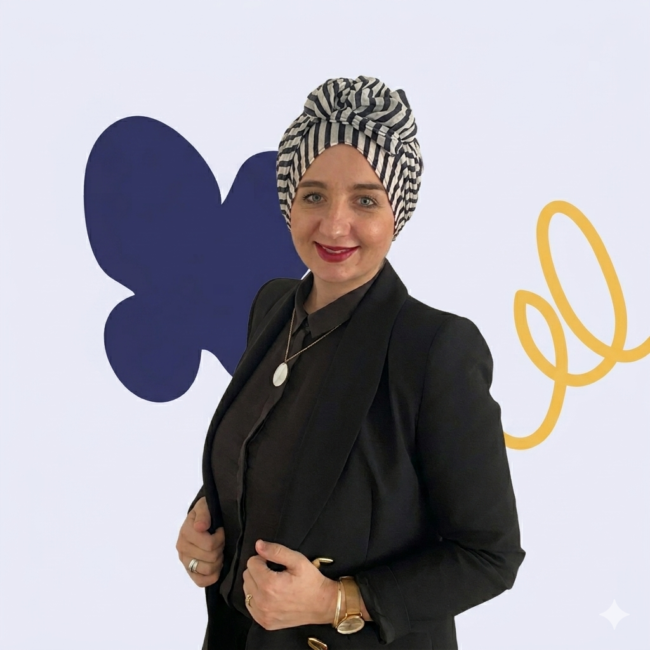
For Melika, learning Bosnian is a way for children to stay connected to their roots—through language, stories, and shared cultural moments.
With a degree in Bosnian language and literature from the Faculty of Philosophy in Sarajevo and experience as a high school teacher, Melika brings both academic depth and classroom expertise into her lessons. She combines a structured approach with a strong focus on understanding each student, creating an environment where children feel respected, supported, and confident to express themselves. Her teaching reflects a clear belief: language learning should develop both communication skills and a deeper sense of identity.
What sets Melika apart is her ability to connect language with culture and meaning. Through conversations, literature, and real-life associations, she helps children not only understand words, but also the world behind them. Her calm and attentive style ensures that even beginners feel comfortable, while more advanced students continue to grow.
The result is not only language development, but a stronger connection to identity and heritage—something you can explore further in her full story on our blog.
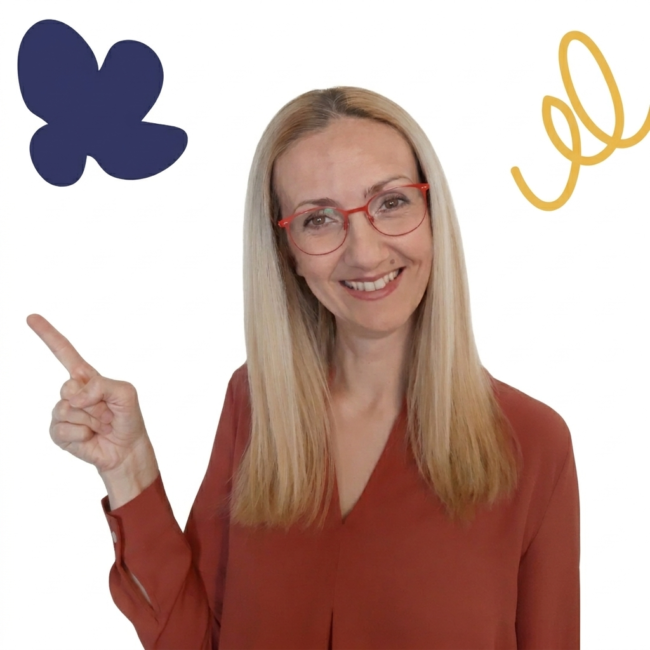
For Staša, learning Bosnian is about helping children move from hesitation to confident expression—step by step, at their own pace.
With over 13 years of experience in primary education and a degree from the Pedagogical Academy in Sarajevo, Staša brings deep expertise into her teaching. Her academic focus on how teaching styles shape the emotional climate in the classroom is reflected in her approach today: structured, attentive, and centered around each child’s needs. Alongside her formal education, she continuously invests in further training and development to refine her methods.
What sets Staša apart is her ability to combine structure with a calm, supportive atmosphere. Known among students as the “fast teacher,” she adapts quickly, senses what each child needs, and adjusts her lessons in real time. Her individualized approach helps children feel at ease, even when starting from zero—guiding them toward speaking naturally and with confidence.
The result is steady progress and growing self-assurance—something you can explore further in her full story on our blog.
For Lemana, learning Bosnian begins with trust—because children speak most freely when they feel safe, supported, and understood.
With a degree from the Faculty of Education in Sarajevo and over 15 years of experience teaching young learners, Lemana brings deep pedagogical expertise into her lessons. She has guided multiple generations of students through their early school years, developing not only their knowledge, but also their confidence and character. Her approach is grounded in patience, structure, and a clear understanding of how children gradually build language skills—especially when Bosnian is not part of their everyday environment.
What sets Lemana apart is her calm, empathetic teaching style. She focuses on creating a relaxed atmosphere where children are encouraged to try, make mistakes, and try again. Step by step, she builds their confidence and motivation to use the language in real-life situations.
The result is steady, lasting progress and a genuine willingness to communicate—something you can explore further in her full story on our blog.
Learning can be clear, natural, and relaxed when done the right way.
That is why our students do not learn by rote, but understand, use, and love the language.
See the frequently asked questions from parents in the diaspora. From pricing and schedules to motivation and progress.
The trial class is free and with no obligations. The teacher assesses the level and recommends the right program.
No credit card required. No obligation to enroll.