Pripremite se za ljeto kroz individualne i porodične časove

Our Story

One family.
Three languages.
One question.

We met in Singapore. She is German. I am Bosnian. When our kids came along, we realized we couldn't find what we were looking for - so we created it ourselves.

500+ children
20+ countries
100% recommendation
500+ children
20+ countries
100% recommendation

The Beginning

Singapore, love and
three native languages

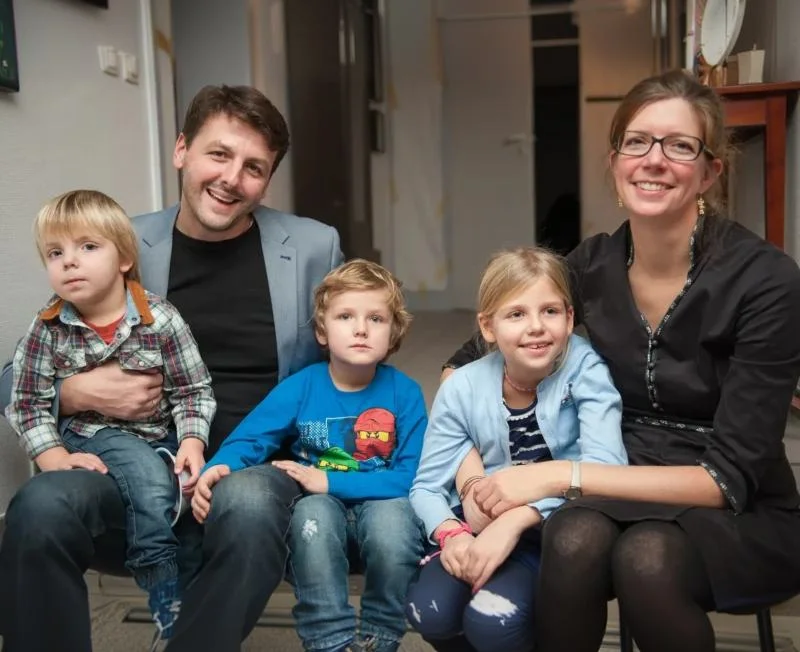
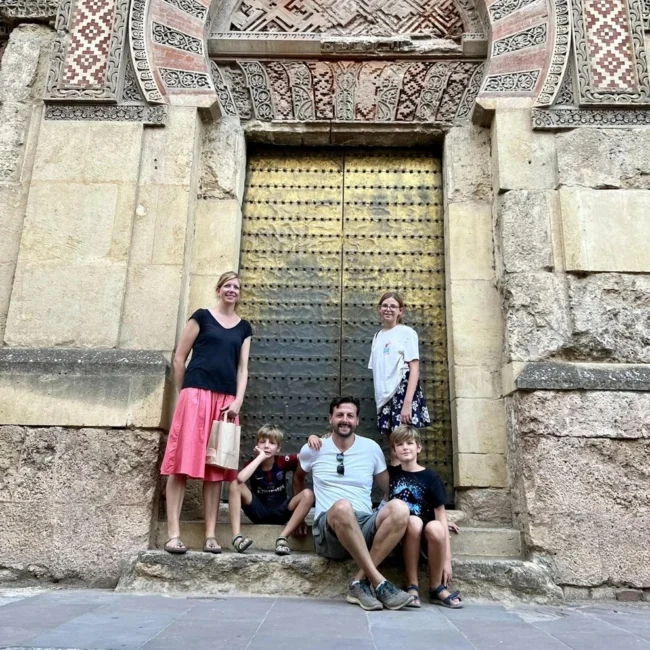
Nina and I – Vedad – met while studying in Singapore. She is German, and I am a Bosnian who was living in Denmark. A long-distance relationship, then moving in together, then marriage and then, in Denmark, two children.

And right then, the first real question: what language will our kids speak?

Danish was a given. Nina wanted German. I wanted Bosnian. We decided: all three. We relied on the One Parent, One Language (OPOL) method. Nina speaks German, I speak Bosnian, and they will learn Danish in kindergarten.

In theory – perfect. In practice – life had other plans.

The Challenge

Moving to Germany and
the silent fading of Bosnian

When we moved to Germany, Danish naturally dropped out. German began to dominate — in kindergarten, on the street, with friends, with mom, everywhere.

Bosnian was left to me alone. But I couldn’t be everywhere all the time. The language remained at the level of everyday phrases, while everything else grew in German.

When our daughter started school, it became clear that we had to do something.

We looked for a Bosnian school and found one 20 km away. Classes at 1 PM, working hours until 5 PM, three kids with different schedules. Logistically impossible. Online options? They didn’t exist. At least not with a structure and curriculum.

The Trigger

The moment that
changed me as a father

There is one moment that hit me harder than I expected.

I noticed my daughter was starting to avoid conversation. Not because she didn’t want to talk to me — but because it was easier for her to talk to her mom. In German. Without effort, without searching for words, without that moment of discomfort.

Bosnian was becoming a language of effort for her. And conversation with me, something to be avoided.

There was no drama. It was a silent, gradual drift — and that’s precisely what made it so painful.

At that moment, it became crystal clear to me: if I don’t change anything, I will lose something that can never be brought back. Not just a language, but a part of the connection with my own children.

Why the language?

It’s not in the fan scarf.
It’s not in the food.
It’s all in the language..

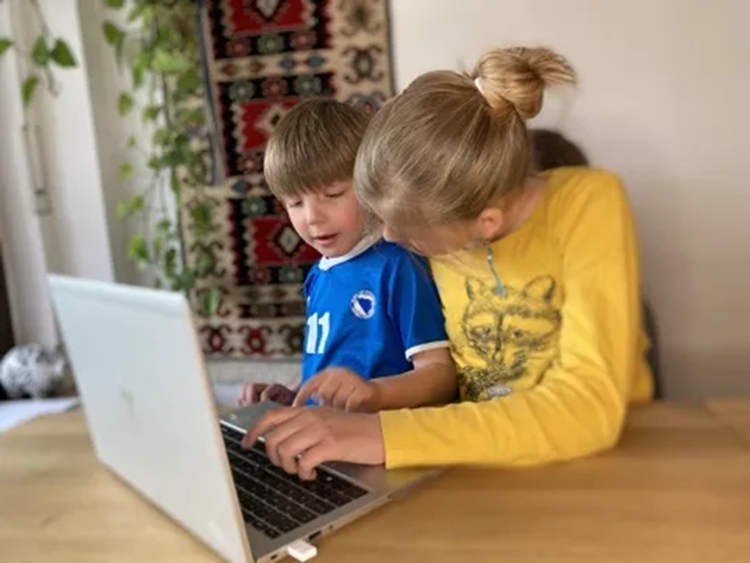
You can buy your child a Bosnian jersey*. You can teach them to eat ćevapi. You can tell them they are Bosnian. But without the language — it’s just a story told in someone else's words. (*of course we have Džeko jerseys at home.😉)

Language = culture from within

Only through language can you understand the humor, the literature, the soul of a people. Not as an observer, but as a part of it.

The parental bond

A child who speaks Bosnian can talk to their nanas and grandmas and nannas, grandpas and papas, relatives, and even with you about things that cannot be translated.

A healthy identity

A child who knows their roots — and can feel them through language — builds a more grounded and resilient identity in a multicultural world.

The Big Picture

The thread that
must not be broken

Bosnia and Herzegovina is a country that is difficult to describe in a single sentence. A country of contrasts, a heavy history, and extraordinary people. We believe in the Bosnia that possesses a special energy, warmth, and humor that cannot be found anywhere else – and we believe that it is precisely her sons and daughters in the diaspora who can help that Bosnia triumph.

The great wave that left during the war in the nineties — that is already nearly 35 years ago. The second generation, born in the diaspora, now has children of their own. The third generation is already in school. Without the language, each generation is quietly and irreversibly one step further from Bosnia.

I live in Germany and every day I meet people whose last names are clearly Polish — but their connection to Poland? Long broken. The fourth, fifth generation. It is not a tragedy for them, but it is a loss for everyone. And the exact same path awaits us, if we do nothing.

You can eat sushi your whole life, but that doesn’t make you Japanese. The only thing that truly preserves the connection to the culture, to relatives, to oneself — is language.

The Solution

This is the origin of
Tako Lako

The year 2020. Corona forces everything online. We created a questionnaire and sent it to acquaintances and friends. The response was surprisingly large and clear: yes, this is needed, this is what many have been looking for for years.

We didn’t want to create something unprofessional. We hired an expert in educational design according to the latest standards, developed our own curriculum with clear goals by levels and age, and created all the teaching materials from scratch — tailored for children in the diaspora, not for children in Bosnia.

Because that is the key difference. For a child living in Germany, Bosnian is a second or third language. They need a different approach.

Nina & Vedad

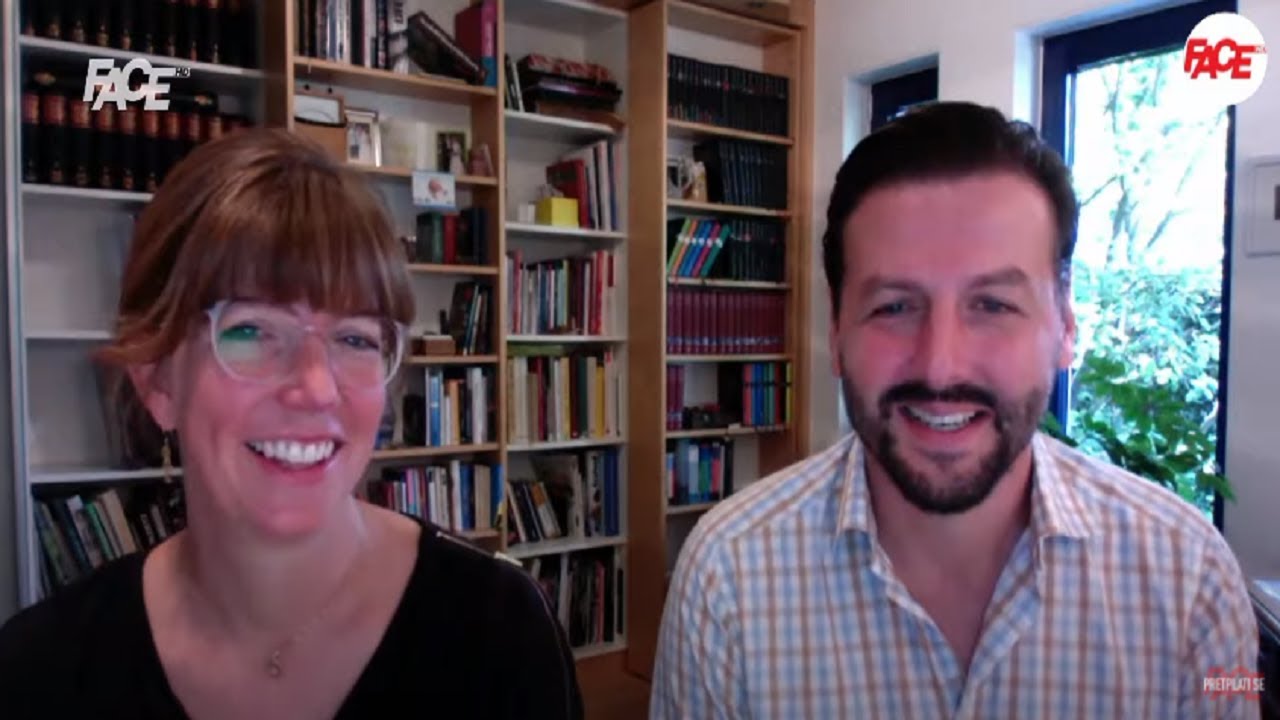
Check us out on Face TV

Nina and Vedad on the morning show "Uzbuđenje" — our story, our fears, and our intentions.

The Vision

Over 500 children. Across 20+ countries.
One common thread.

The year 2020. Corona forces everything online. We created a questionnaire and sent it to acquaintances and friends. The response was surprisingly large and clear: yes, this is needed, this is what many have been looking for for years.

We didn’t want to create something unprofessional. We hired an expert in educational design according to the latest standards, developed our own curriculum with clear goals by levels and age, and created all the teaching materials from scratch — tailored for children in the diaspora, not for children in Bosnia.

Because that is the key difference. For a child living in Germany, Bosnian is a second or third language. They need a different approach.

Featured In
Face.ba
Klix.ba
WDR Radio
Face TV

Founders

Behind Tako Lako stand
real parents

Not startup founders who found a "market niche." Parents who lived this problem — and decided to solve it.

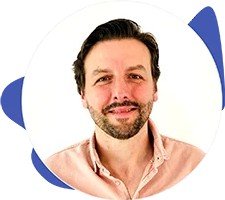
Vedad Fazlić

Co-founder · A Bosnian in Germany

Raised in Bosnia, studied in the UK and Singapore, worked in China, lived in Denmark and Germany. A father of three who wanted to preserve the Bosnian language for them — and couldn't find a way how.

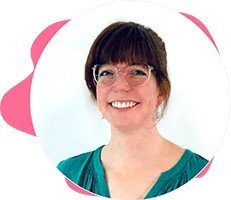
Nina Fazlić

Co-founder · A German who speaks Bosnian

A German who learned Bosnian out of love for family and culture. Her approach to Bosnian as a "foreign" language — embraced with care and a clear system — is embedded in the very core of the Tako Lako method.

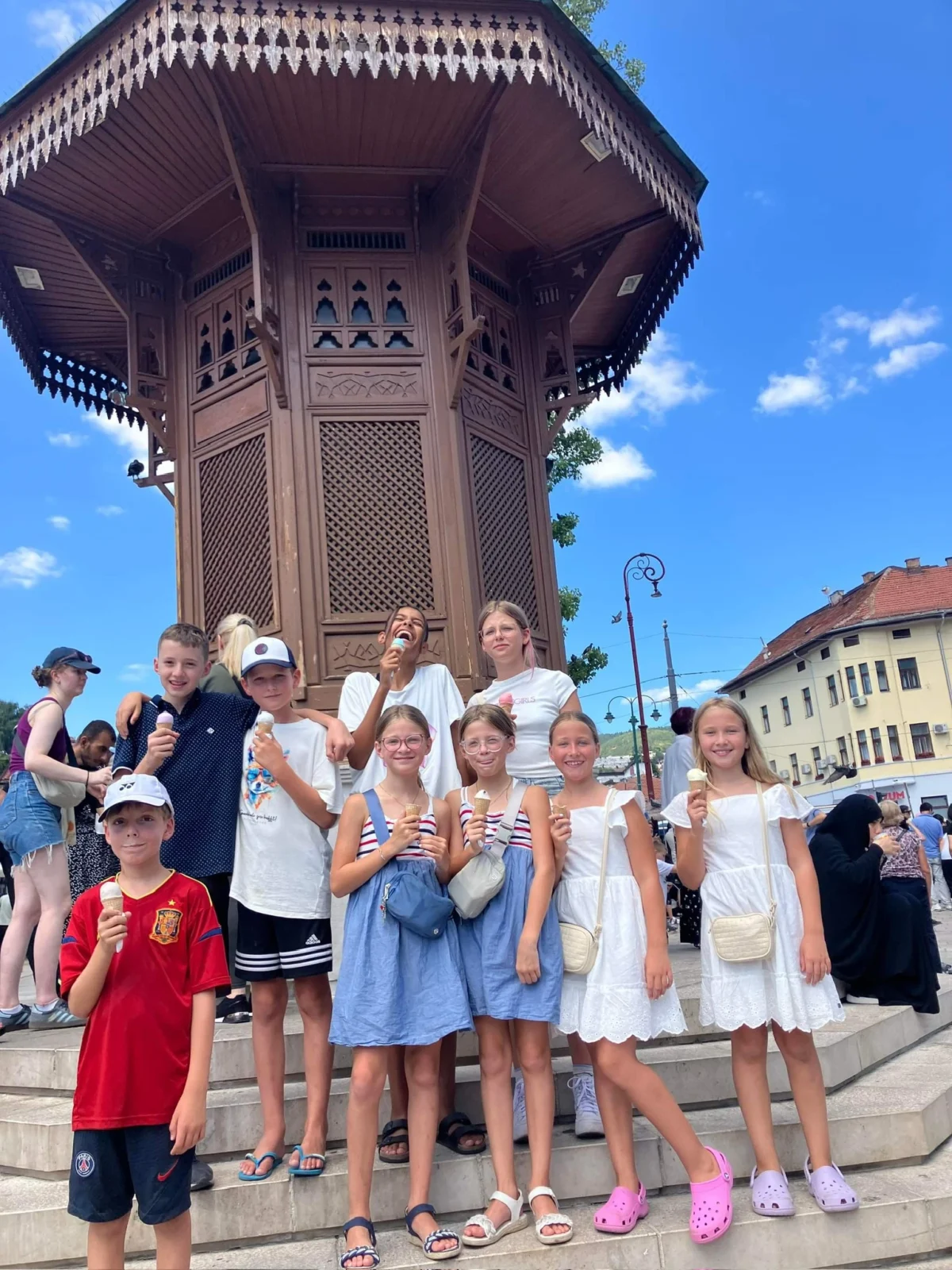
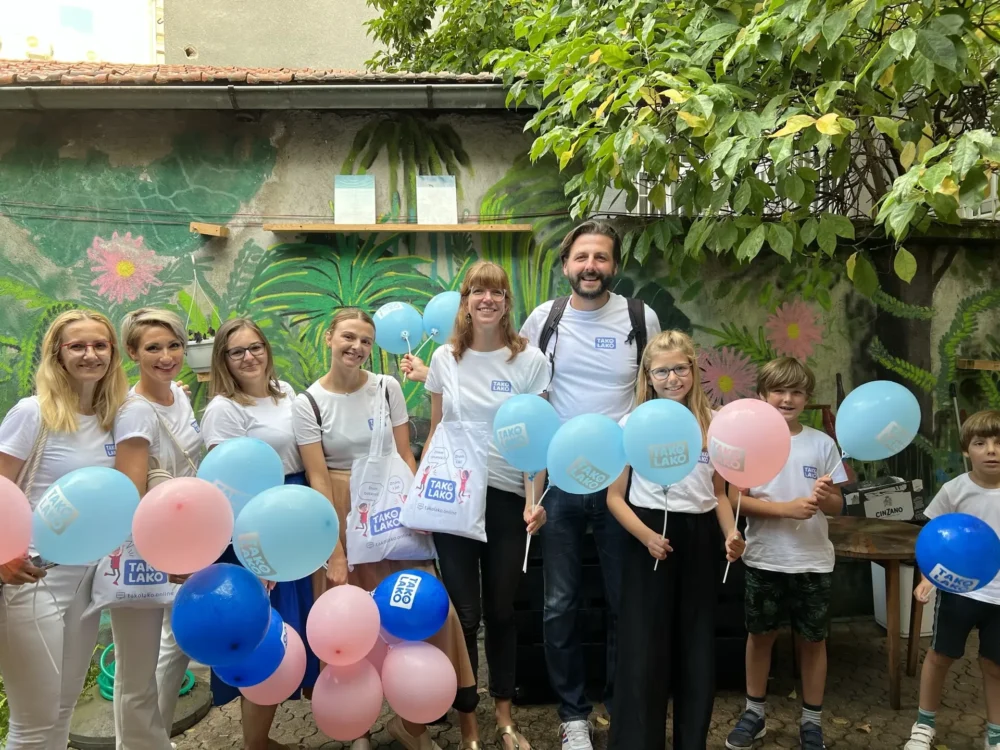
The Tako Lako team — teachers, founders, and children at one of our gatherings

Preserve the Bosnian language
in your family

Give your child a gift they will carry for a lifetime. The trial lesson is free — no obligations, no risk.

Sign Up for a Free Lesson

Satisfaction Guarantee · Sibling Discount